

How Do You Like to Learn at Work in 2026? A Fresh Look at Corporate Training in Australia
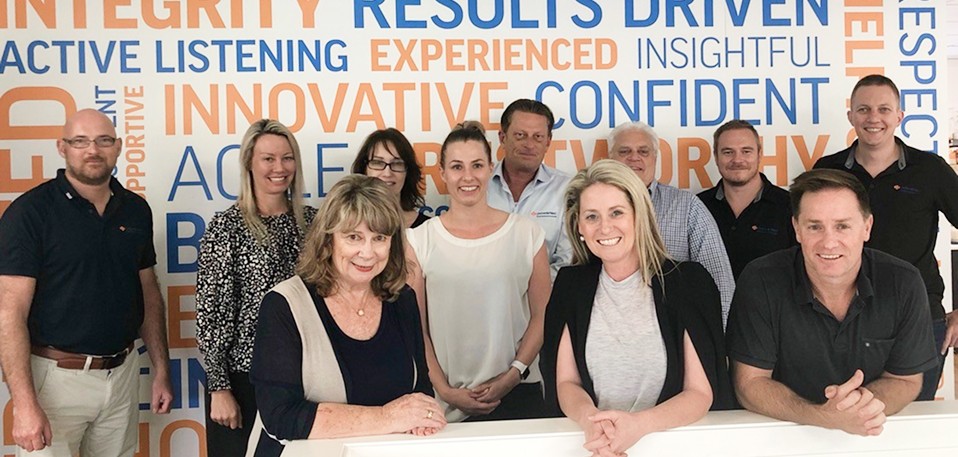
Corporate Training Options (CTO) is one of the most established corporate training providers across Australia for 30+ years. We deliver customised workplace training in Microsoft 365, Leadership, Customer Service, Planning & Organisation, Sales Training and Personal Development – online and onsite. The blog discusses how learning needs to vary by situation in 2026.
The most frequent question facing L&D managers today
Have you recently sat through a training session only to walk out thinking, “I am not sure whether I will actually use any of that in future?” Yet the person walking out beside you can’t stop talking about the session and how they’re going to implement what they learned the very next day. While people often ask, “What’s the best way to learn at work?” the honest answer to it would be, “It depends.”
Learning has never been just one format. Today, new digital tools and ways of working are transforming Australian workplaces, how people absorbed information in different ways based on what they were learning, why they were learning it and what pressures they felt around at that particular time.
Today in 2026, with learning tools constantly evolving, teams are getting restructured and business cycles are moving faster than ever. No organisation can afford to rely on a single training approach now.
With more than three decades of experience, we provide a range of programs onsite or online across every Australian state. At CTO, we don’t just deliver content; we help organisations build real team capability through effective corporate training in Australia. We aim to support people to build real capability and confidence in their roles.
This blog by our experts discusses and helps to understand how learning needs to evolve with the situation in 2026, why training volume is not the same as training value and what a genuinely effective corporate training looks like for today’s Australian workplaces.
Why the corporate training landscape has adopted a shift in 2026
The way Australian organisations consider staff development has transformed over the years. It has seen a significant change that goes far beyond simply adopting any new technology or method. Several forces are converging simultaneously.
- Workplaces are evolving faster than traditional training programs can keep pace with.
- Tools like Microsoft 365 (formerly Office 365) are receiving continuous updates, and teams cannot rely on ‘learn once, apply forever’ anymore.
- Hybrid and remote work cultures are transforming how and when people absorb new skills.
- Organisations are facing growing pressure to demonstrate measurable training ROI – not just completion rates.
- Teams are realising the need to be adaptive, not just knowledgeable; constant learning has become an integral part of today’s work culture.
While this is the reality, how can traditional one-off training events keep pace with it? A half-day session on a new platform rarely creates a lasting behaviour change, particularly when that system keeps evolving or when different team members use it in entirely different ways.
There is also a growing recognition across Australian organisations that not every training need looks the same. For instance, learning to navigate SharePoint is a fundamentally different challenge from developing a leadership style or building a high-performing team culture. Each requires a different structure and pace, along with the facilitation approach.
The result? More Australian businesses are actively seeking corporate training companies in Australia that can match the learning method to the actual need, rather than offering a generic off-the-shelf program that attempts to cover everything at once.
Four training scenarios and the approach for each
The most effective workplace training is shaped by the situation, not by what is easiest or cheapest to deliver. Here are the four scenarios that most Australian organisations encounter, and what actually works in each one.
1. When you are learning a whole new system
When someone is starting from scratch, onboarding to a new platform, transitioning to a new digital environment, or being introduced to an entirely unfamiliar toolset, what works best is structured, step-by-step guidance.
This is not the moment for information overload. It is the moment for clarity over speed. Beyond just clicking through a workflow, understanding why something works the way it does is more important.
For example
Rolling out Microsoft 365 across multiple departments is not simply giving people new software. It changes the way how work gets done, how documents are stored, how meetings are scheduled and how teams collaborate in real time. This transition has been one of a kind and needs a carefully designed learning journey – not a rushed overview.
Effective structured training for new systems includes –
- Pre-training needs analysis to identify skill gaps across different roles
- Sessions that build logically from basics to applied practice
- Role-specific examples and exercises, not generic demonstrations
- Post-training reference materials and follow-up support
Here’s where CTO plays a crucial role. We design and deliver customised corporate training to those organisations moving to Microsoft 365 – either onsite across Australia or live online (via Teams or Zoom).

2. When you need to fix one specific skill, fast
Sometimes people don’t need a full course. They need targeted, focused support to solve one specific problem or close one specific skills gap quickly. This is where short-format, high-relevance training delivers the strongest immediate return. Think of
- A finance team that urgently requires automation of reporting with Excel PivotTables or Power Query
- An operations manager who wants to run more effective meetings using Microsoft Teams
- An EA who looks forward to restructuring a shared inbox and delegation rules in Outlook
- A project lead who wants to learn how to track milestones using Microsoft Planner or Project
These cases will not need two days of structured training; they will only need the right guidance applied directly to their actual work context. This is the ‘just in time’ approach, particularly effective for Microsoft 365 tools, where practical output matters far more than theoretical knowledge of features.
3. When change is constant and ongoing
When an organisation is going through sustained change, a platform roll-out, a structural restructuring, a merger, or a broad digital transformation, a single training event will never be enough at the organisational level. Ongoing support is something that makes a difference in such situations.
- Regular reinforcement sessions to address new challenges as they emerge
- Follow-up workshops to build on earlier learning rather than simply repeating it
- Check-ins give people the opportunity to ask questions as real problems arise at their desks
- Access to experienced corporate trainers who understand the specific organisational context
At CTO, we take pride in having expert corporate trainers who understand such dynamic design programs that span weeks or months – not just because of the complex content, but because the genuine behavioural change requires repetition, consistency, time and real-world application.
4. When it is about leadership or behavioural change
We believe a single session can never deliver leadership development, communication skills, conflict resolution and broader behavioural change. Self-paced eLearning or a one-page summary sheet cannot teach you these golden skills. It essentially requires a different approach.
- Facilitated discussion and structured group reflection
- Safe practice environments where people can try new approaches without real-world consequences
- Scenario-based learning drawn from actual workplace situations, not textbook examples
- Space between sessions for participants to practise, reflect and return with questions
- A skilled facilitator who can read the group and adapt the content in real time
This approach is fundamentally different from learning a typical software tool. Leadership development is slower, more iterative, and deeply personal, which may seem like a limitation but that’s how meaningful professional development looks like!
- Microsoft 365 tools can often be learned ‘just in time’ with focused, practical sessions built around real workflows.
- Skills like leadership and behaviour need space, discussion, practice, reflection, and time between sessions.
Both are fundamentally different training needs, and we have seen many Australian organisations committing the most common mistake of treating these two learning needs as interchangeable.
Volume vs value – The mistake most training programs make
There is something that many corporate training companies in Australia hesitate to admit – more content does not necessarily produce better outcomes. It is easy to create volumes of training content and easier to fill a training day. Pack in features, tips, shortcuts and frameworks, and make your attendees leave with a thick handout and a sense that significant ground has been covered!
But what happens next matters the most. Monday comes, your trainees are back at their desks, and they realise very little has actually changed.
So, the right question you should ask yourself is not “How much did we cover?”It is “Are people doing their jobs any differently as a result of this training?”
Effective professional training focuses on the elements that actually drive capability change. These are the five things that separate high-impact training from just content delivery –
✓ Confidence
Participants leave the session able to apply skills independently, not just recognise them when they see them.
✓ Practice time
Exercises and workplace scenarios are built into the session itself, not saved for ‘later’.
✓ Workplace context
Examples reflect real roles, real tools, and real challenges, not generic or unrealistic demonstrations.
✓ Application discussion
Participants start realising how the learning fits their actual day-to-day responsibilities before the session ends.
✓ Behaviour embedding
The goal is changed habits and changed outcomes, not completed modules and ticked checklists.
Training built on these principles certainly produces results that show up in the form of improved productivity, team performance and managers’ feedback – not just post-session survey scores. That’s where a professional training company makes the difference – focusing on training outcomes against those focusing on delivery volume.
Not sure about the right training approach for your team?
CTO partners with Australian organisations to design corporate training programs that don’t just deliver content, but build real team capability!
Microsoft 365 · Leadership · Customer Service · Planning & Organisation · Personal Development · Sales Training. · On-site or online · Australia-wide.
1300 667 660 · cto.com.au · Request a Quote at cto.com.au/course-enquiry/
What it means for your organisation in 2026
Are you responsible for training within your organisation? Ask yourself the most honest question, “Is the training we are running designed around what our people actually need to do? Or is it designed just around what is easiest to book and deliver?”
One training format will not serve every need. A leadership development workshop structured the same way as a Microsoft Teams onboarding session is clearly not serving either group well.
Here are the 3 points of alignment for effective corporate training programs –
- The specific skills being developed – technical tools and soft skills require fundamentally different approaches
- The roles and responsibilities of the people in the room – a team leader needs different learning than a data analyst or a customer-facing coordinator
- The business outcomes the organisation wants to achieve – not just the number of people who attended a session
When these elements are misaligned, the outcomes are predictable.
- Low adoption of new skills or tools post-training
- Training that feels disconnected from real work and is quickly forgotten
- Budget and time invested with no measurable change in performance
- Managers are frustrated by the lack of visible return on training investment
This is why more Australian organisations are moving away from generic off-the-shelf programs and towards corporate training providers who take the time to understand the business first, and then design the solution around that understanding.
CTO Is Trusted Across Australia by BHP, University of Canberra, City of Gold Coast and EP&T Global
When BHP needed to fast-track Microsoft Teams adoption across a Perth site team who were all working from home during the COVID-19 pandemic, they partnered with CTO. The result was a seamless,customised online program that facilitated adoption and built team confidence without a single person needing to travel.
“This training has really fast-tracked our learning!” – Cath Collins, BHP

How CTO delivers corporate training differently
At CTO, we follow a straightforward philosophy – one training format does not fit every situation, so we do not pretend otherwise.
As one of Australia’s most established professional training companies with over 30 years of experience delivering programs for organisations of every size across every state and territory, CTO builds training that starts with what your people actually need to do, and custom-designs the learning around that reality.
What makes CTO stand apart
✓ Fully customised programs
No off-the-shelf content; every workshop is designed around your workplace, your tools and your team’s specific roles.
✓ Real workplace scenarios
Examples, exercises and discussions reflect the actual situations your people encounter every day.
✓ Practical application built in
Skills are embedded during the session, not introduced and left for participants to self-manage.
✓ Flexible delivery across Australia
Onsite at your location anywhere in Australia, or live online via Microsoft Teams or Zoom.
✓ Expert trainers matched to your needs
Specialists in both Microsoft 365 technology training and professional development – two distinct disciplines.
✓ Ongoing support available
Follow-up sessions, post-training reference materials, and long-term program design for sustained capability building.
Whether your team needs structured Microsoft 365 onboarding across multiple locations, targeted Excel and reporting skills for a finance team, leadership coaching delivered across a series of workshops, or customer service capability built across your frontline teams, CTO designs the right approach to fit the situation.
Explore the Core Training Programs by CTO
Microsoft 365 Training (Excel, Teams, SharePoint, Copilot, Power BI & more)
Leadership Training (Effective & Confident Leadership Building)
Customer Service Training (Creating Exceptional Customer Experiences)
Personal Development (Communication, Productivity & Workplace Skills)
Planning & Organisation (Strategic Planning, Time & Project Management, Goal Setting)
Sales Training (Sales Training & Management)
Click to learn what our clients say about us!
What to ask before you book a training course
Now that it is clear that there is no single best way to learn at work, anyone who tells you otherwise is certainly prioritising what is convenient to deliver over what will actually work for your team. Understand this difference well before you consider booking any training. Here’s that one question worth pausing on – “What do we need our people to deliver, something that they are not able to do right now, after a particular training?”
When your training is designed around this question, the right format will emerge naturally. The content becomes relevant, the learning sticks, and the results show up not only in a feedback form, but in how your team actually performs every day! We believe this should be the standard for corporate training courses in Australia should be held to. That’s what CTO is built to deliver.
We believe this should be the standard that corporate training in Australia should be held to. That’s what CTO is built to deliver.
Is your team ready for a training designed just for you? A training that actually delivers?
Speak with CTO’s corporate training specialist to discuss your team’s specific learning needs. We are Australia’s leading corporate training providers and believe in recommending the right approach.
Experienced practical advice. No obligation.
1300 667 660 · cto.com.au · cto.com.au/course-enquiry/
Frequently Asked Questions About Corporate Training in Australia
How do you know if corporate training is actually working in your organisation?
The most reliable indicator of effective corporate training is not a post-session feedback score; it is observable behaviour change back in the workplace. Ask whether people are applying new skills independently, whether tool adoption has increased, whether line managers are noticing a difference in how their teams operate and whether the problems that prompted the training have actually been resolved. Effective workplace training in Australia should produce measurable shifts in performance, not just positive sentiment on the day. If your team attended a training session three weeks ago and nothing has visibly changed, that is the data you need to act on.
Why do employees generally struggle to apply what they have learned after training?
This is among the most common challenges facing organisations that invest in professional training. The root cause is almost always the same: the session was too content-heavy and not practical enough. When training prioritises covering information over practising application, participants leave informed but not capable. They have seen how something works in a demonstration, but they have not used it themselves, in a context that mirrors their real role. The solution is to build exercises, real scenarios and workplace-specific applications into the session itself. Practice should happen during training, not be left as homework that never gets done.
How do I choose the right corporate training company in Australia for my organisation?
The key distinction is between providers who deliver content and providers who design outcomes. Many corporate training companies in Australia offer off-the-shelf programs with fixed content, generic examples, and a one-size-fits-all structure that does not vary by client. A professional training company focused on real outcomes will take time to understand your team’s roles, your tools and your business goals before designing anything. Ask directly, “How will you customise this program for our specific situation?” If the answer is vague, that tells you everything. Also look for a track record across both technology training and people development – providers strong in both disciplines, like CTO, are rare and valuable.
What makes corporate training relevant to real workplace performance?
Relevance in professional training starts before the training room. It begins with a facilitator or training designer who genuinely understands the actual roles, tools and pressures of the people they are training. A Microsoft 365 workshop for a finance team should focus on the Excel, Power Query, and reporting workflows they use every day, not a generic overview of every feature in the platform. A customer service training program should draw on scenarios from that specific industry and customer profile, not hypothetical examples. When participants feel that the training was built specifically for their work, their tools, their challenges, their vocabulary, engagement and skill retention increase significantly.
Can online corporate training be as effective as face-to-face delivery?
Yes, when it is delivered live, facilitated by an experienced trainer, and designed with interaction at its core. While face‑to‑face delivery is highly effective, it isn’t always practical. Live online training allows participants to engage in real‑time discussion, activities, and Q&A, using the same learning structure as an in‑person workshop. For organisations with dispersed or regional teams, this approach offers a practical and highly effective alternative.
How can organisations build a sustainable learning culture, not just run training events?
A genuine learning culture is built through consistency and leadership commitment, not through scheduling occasional training days. It starts with visible support from management – leaders who actively champion professional development and set the example their teams follow. It requires training connected to real business outcomes, not treated as an HR compliance exercise. It also means giving people time and psychological safety to practise new skills without fear of failure. Organisations that partner with established corporate training providers for ongoing, phased programs, rather than one-off events, see the most sustained improvement in capability. The goal is for learning to become part of how the organisation operates, not an interruption to it.
Is Microsoft 365 training suitable for teams with mixed experience levels?
Absolutely, and this is one of the most common requirements CTO encounters across Australian organisations. Microsoft 365 training can be designed for any skill level, from complete beginners being onboarded to a new environment, through to experienced users looking to work more efficiently with advanced features like Power Automate, Power BI, or Microsoft Copilot. The key is that we don’t apply a fixed course structure that treats every participant the same way. Before any Microsoft 365 training engagement, CTO consultants work with the organisation to understand where each team’s skills currently sit and design the session to meet participants at that starting point, not at a generic baseline that is either too basic or too advanced for the group.

